Complete Guide to Pre Purchase Auto Inspection Before Buying Any Used Vehicle
Buying a used vehicle can be a practical way to get reliable transportation without paying the price of a new car. However, a vehicle may look clean and perform well during a short test drive while still having hidden mechanical, electrical, structural, or safety problems. This is why a thorough car inspection should be an important part of the used vehicle buying process.
Your Virtual Mechanic provides automotive inspection support designed to help buyers better understand the condition of a vehicle before making a purchase. Using an online automotive mechanic and on-site mechanic approach, buyers can obtain professional guidance and inspection services based on their needs and circumstances.
A professional vehicle inspection can reveal issues that may not be obvious to someone without mechanical experience. Understanding what an inspection covers, when to arrange one, and how to interpret the findings can help you make a more informed purchasing decision.
What Is a Pre Purchase Auto Inspection
A pre-purchase auto inspection is an assessment of a used vehicle performed before a buyer completes the purchase. The purpose is to identify existing or potential problems that could affect the vehicle’s safety, reliability, performance, or future maintenance costs.
Unlike a basic visual check, a professional inspection examines multiple components and systems. Depending on the service and vehicle, this can include the engine, transmission, brakes, suspension, steering, tyres, electrical components, fluids, bodywork, and other relevant areas.
The inspection does not guarantee that a vehicle will never develop a problem. Instead, it provides a clearer picture of its current condition and helps identify warning signs that may influence the buying decision.
Why a Car Inspection Matters Before Buying
A seller may provide maintenance records and describe a vehicle as being in good condition, but these details do not replace an independent assessment. Used vehicles can have problems that are difficult to identify during a short drive or visual inspection.
A car inspection can help identify signs of wear, previous damage, neglected maintenance, or developing mechanical problems. This information can be particularly useful when comparing several vehicles or deciding whether the asking price is reasonable.
For example, a vehicle may have worn suspension components that are not immediately noticeable on smooth roads. Similarly, an engine may have oil leaks, cooling-system concerns, or unusual noises that require closer examination.
An inspection can also provide useful information about maintenance priorities. Some findings may require immediate attention, while others may represent normal wear that can be addressed later.
What Does a Pre Purchase Vehicle Inspection Include
The exact scope of a vehicle inspection depends on the inspection provider, vehicle type, and service selected. A comprehensive assessment generally looks at several important areas.
Engine and Mechanical Components
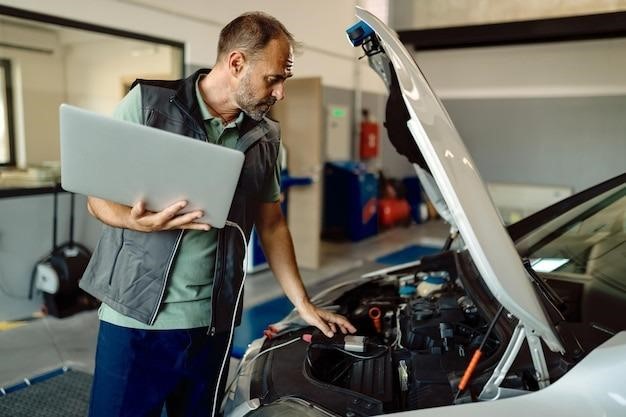
The engine is one of the most important systems to assess when buying a used vehicle. An inspection can look for visible oil or coolant leaks, unusual noises, damaged components, signs of overheating, and other potential concerns.
The inspection may also involve checking fluid levels and conditions where appropriate. Evidence of poor maintenance can sometimes indicate that additional mechanical issues may exist.
Transmission and Drivetrain
Transmission problems can be expensive to repair, making this area particularly important during a pre-purchase inspection.
An inspector may assess the transmission for abnormal operation, fluid-related concerns, delayed engagement, unusual noises, or other symptoms. For manual vehicles, the clutch and related components may also require attention.
The drivetrain should be considered alongside the transmission because issues with related components can affect acceleration, handling, and overall vehicle operation.
Braking System
Brakes are directly connected to vehicle safety. A professional inspection can assess visible brake components for wear and identify signs that the braking system may require maintenance.
Brake pads, rotors, calipers, brake lines, and related components may be reviewed depending on the inspection scope. Uneven wear can also provide clues about underlying problems.
Suspension and Steering
A vehicle’s suspension affects handling, comfort, stability, and tyre wear. An inspection can look for worn or damaged components such as shocks, struts, bushings, ball joints, or other suspension parts.
Steering components are also important because excessive play, unusual noises, or damaged parts can affect how the vehicle responds to driver input.
Tyres and Wheels
Tyres provide the vehicle’s connection to the road, so their condition should not be overlooked. An inspection can assess tread depth, visible damage, uneven wear, and general condition.
Uneven tyre wear may sometimes indicate alignment, suspension, or steering problems. The condition of the wheels can also provide clues about previous impacts or damage.
Electrical and Electronic Systems
Modern vehicles contain numerous electronic systems, including lighting, dashboard controls, sensors, cameras, entertainment systems, and driver-assistance features.
A professional inspection can check relevant electrical functions and identify warning lights or apparent system faults. Diagnostic equipment may also be used when included in the inspection service.
Body and Structural Condition
Exterior appearance alone does not always reveal a vehicle’s history. A vehicle can have repaired accident damage that is difficult to see without closer inspection.
An inspector may look for inconsistent panel gaps, mismatched paint, visible repairs, corrosion, dents, or other signs that could indicate previous damage. Structural concerns are especially important because they may affect safety and future repair requirements.
How an On-Site Mechanic Can Help
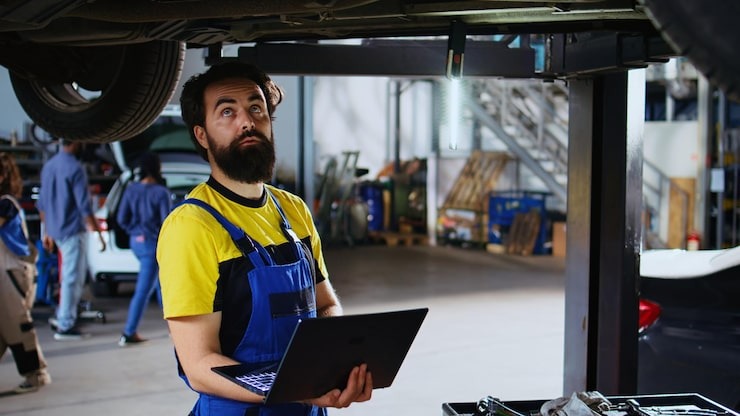
An on-site mechanic can be particularly useful when the vehicle is located at a dealership, private seller’s property, workplace, or another location where arranging transport to a repair facility would be inconvenient.
With an on-site inspection, the mechanic assesses the vehicle where it is located, subject to the available inspection conditions and service scope. This can make the process more practical for buyers who are considering vehicles in different locations.
An on-site assessment can also be useful when purchasing a vehicle from a private seller. Instead of relying solely on the seller’s description, the buyer can arrange an independent inspection before committing to the purchase.
However, not every issue can be identified through an on-site inspection. Certain problems may require specialised workshop equipment, vehicle disassembly, a lift, or additional diagnostic testing.
The Role of an Online Automotive Mechanic
An online automotive mechanic can provide another layer of support during the vehicle buying process. Online assistance can help vehicle owners or prospective buyers understand symptoms, inspection findings, maintenance questions, and general automotive concerns.
For example, if an inspection report identifies an unfamiliar component or potential problem, online mechanical guidance can help explain what the finding means and why it may matter.
Online assistance can also help buyers prepare questions for sellers and understand which areas deserve additional attention. However, remote guidance has limitations because a mechanic cannot physically examine a vehicle through an online conversation alone.
For concerns that require physical assessment, an in-person inspection remains more appropriate.
When Should You Arrange a Vehicle Inspection
The ideal time to arrange a vehicle inspection is after identifying a vehicle you are seriously considering but before completing the purchase.
Scheduling the inspection too early may not be practical if you are still comparing multiple vehicles. On the other hand, waiting until after payment removes much of the inspection’s value as a purchasing tool.
If possible, arrange the inspection before signing a final purchase agreement or making a non-refundable payment. Buyers should also confirm with the seller that an independent inspection is permitted.
When purchasing from a private seller, it can be helpful to explain that the inspection is a normal part of the buying process rather than an indication that the seller has done something wrong.
How to Read a Pre Purchase Inspection Report
An inspection report can contain a large amount of technical information, so it is important to distinguish between different levels of concern.
Some findings may be classified as normal wear and tear. Other findings may require maintenance soon, while significant mechanical or structural issues may justify further investigation before purchasing the vehicle.
A worn tyre, for example, may simply represent a predictable replacement expense. A serious transmission issue, extensive corrosion, or evidence of significant structural damage can have much greater implications.
The estimated repair cost should also be considered alongside the vehicle’s age, mileage, market value, service history, and asking price. A single issue does not automatically mean the vehicle is a poor purchase.
Common Red Flags Found During Used Vehicle Inspections
Several findings deserve additional attention when buying a used vehicle. These include unexplained warning lights, significant fluid leaks, overheating symptoms, severe corrosion, unusual engine or transmission noises, damaged suspension components, uneven tyre wear, and signs of major accident repairs.
Inconsistent maintenance records can also be a concern. A vehicle that has received regular servicing with supporting documentation may provide more useful ownership history than one with little information about previous maintenance.
Mileage should not be considered in isolation. A high-mileage vehicle with consistent maintenance may be in better condition than a lower-mileage vehicle that has been poorly maintained.
What to Do After the Inspection
Once the inspection is complete, review the findings carefully rather than focusing only on whether the vehicle received a general positive or negative assessment.
Consider which issues affect safety, which require immediate repairs, and which are expected maintenance items. If significant problems are identified, you may want to obtain additional information from a qualified repair professional.
The inspection results can also help you have a more informed discussion with the seller. Depending on the circumstances, you may decide to negotiate the price, request repairs, budget for upcoming maintenance, or reconsider the purchase.
The final decision should take into account the vehicle’s overall condition and your budget for ownership.
Questions to Ask Before Buying a Used Vehicle
Before purchasing, buyers should gather as much relevant information as possible about the vehicle’s history and condition. Useful questions can cover previous accidents, service records, ownership history, replacement parts, known mechanical issues, and recent repairs.
It is also useful to ask whether the vehicle has been modified and whether all relevant equipment is functioning correctly.
A seller’s answers should be considered alongside the inspection findings rather than treated as a replacement for independent assessment.
How Your Virtual Mechanic Supports the Inspection Process
Your Virtual Mechanic combines remote automotive guidance with inspection-related support to help buyers and vehicle owners better understand automotive conditions and concerns. Its services can be relevant when a buyer needs assistance interpreting vehicle information, understanding mechanical issues, or arranging an inspection.
The use of an online automotive mechanic can make it easier to discuss general automotive questions remotely, while an on-site mechanic can provide physical inspection support where available.
The purpose of this approach is to give vehicle buyers more information before making decisions about a used vehicle. The inspection itself should be considered an information-gathering step rather than a guarantee of future vehicle performance.
Final Thoughts on Pre Purchase Auto Inspections
A used vehicle can be a sensible purchase, but its condition cannot always be determined by appearance, mileage, or a short test drive. A comprehensive car inspection provides an opportunity to identify mechanical, electrical, safety, and structural concerns before ownership changes hands.
A professional vehicle inspection can help buyers understand the vehicle’s current condition and anticipate potential maintenance requirements. Combining an on-site mechanic assessment with appropriate online guidance can also make it easier to interpret technical findings.
Most importantly, an inspection should be completed before the purchase is finalised whenever possible. The information gained can help you compare repair costs, assess the asking price, and make a decision based on the vehicle’s actual condition rather than assumptions.
Frequently Asked Questions